Premier Commercial Painting Services to Advance Your Business
Exceptional commercial painting services play an crucial role in shaping a company's environment. They not only enhance aesthetic appeal but also reinforce brand identity. The right colors and techniques can create a welcoming atmosphere that attracts customers. However, the selection of a skilled painter and the importance of surface preparation are often overlooked. Understanding these elements can lead to more educated decisions, ultimately impacting a business's success. What factors should one consider to maximize these benefits?
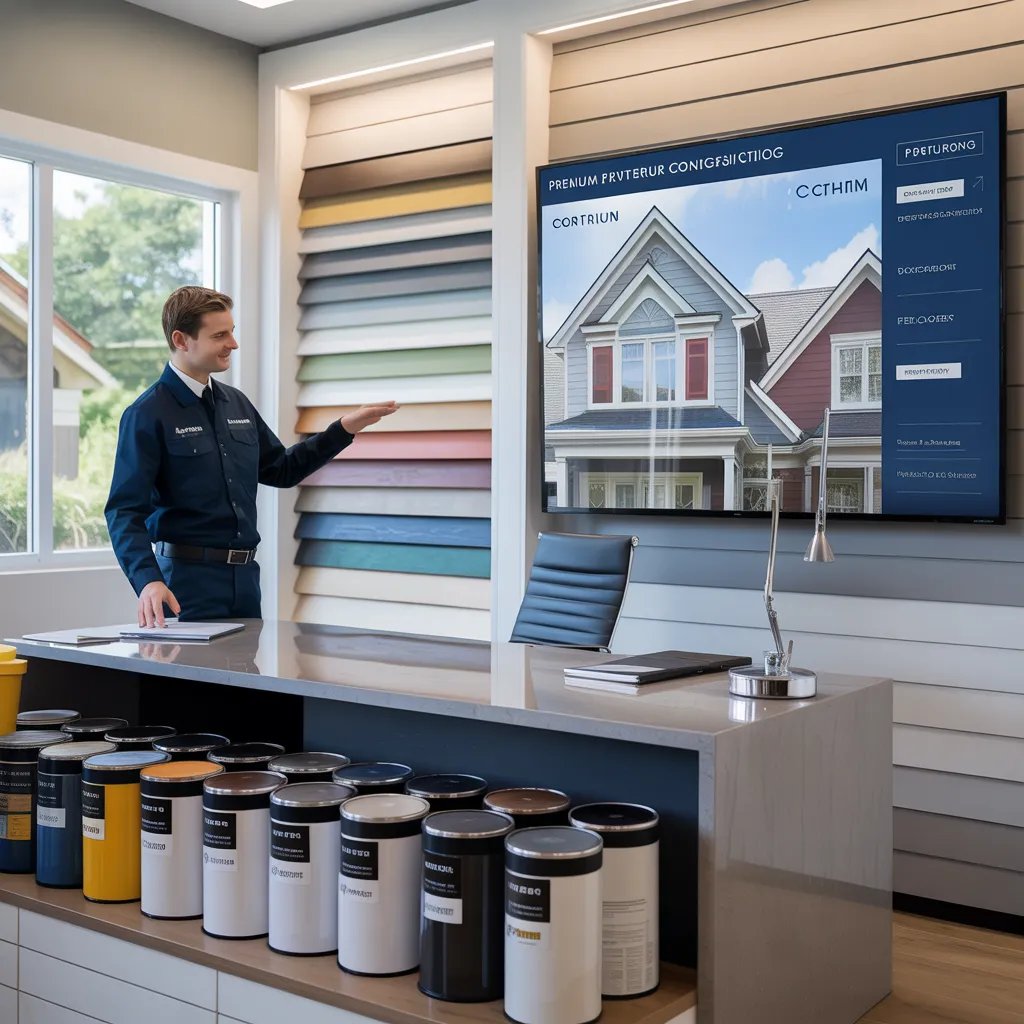
Essential Strengths of Professional Commercial Paint Application
Professional commercial painting revitalizes spaces, improving both aesthetics and functionality. One of the main advantages is the immediate visual appeal it brings, creating a welcoming atmosphere for clients and employees alike. Freshly painted walls can greatly elevate the overall environment, promoting a positive impression.
In addition, superior commercial painting improves the lifespan of surfaces by delivering protection against wear, moisture, and other environmental factors. This durability can yield financial savings over time, as businesses may cut back on the frequency of repainting.
Furthermore, a refined presentation can demonstrate a organization's brand essence, coordinating colors and design with the business's fundamental values and vision. This alignment not only boosts brand recognition but also underscores a sense of professionalism.
At its core, engaging in professional commercial painting is a wise investment that can augment both the visual appeal and operational longevity of a commercial premises, making it an essential consideration for any business space proprietor.
Determining the Most Suitable Expert Painting Professional for Your Initiative
Picking the right commercial painter requires evaluating both experience and expertise. A painter's portfolio and examples of previous projects give important insights into their capabilities and style. These factors serve an essential role in ensuring the final result matches the client's vision.
Experience and Expertise Matters
Picking a commercial painter demands careful review of their background and expertise. A painter’s background can significantly affect the quality and lifespan of the work. Knowledgeable professionals understand the finer points of various surfaces and materials, ensuring that appropriate preparation and application techniques are used. Furthermore, expertise in commercial projects often indicates awareness with industry standards and regulations, which can streamline the process and reduce potential setbacks. Choosing a painter with a proven track record in similar projects can also offer reassurance about their ability to meet deadlines and budgets. Ultimately, giving priority to experience and expertise assists businesses in sidestepping costly mistakes and guarantees a polished, professional finish that enhances the overall aesthetic of their space.
Body of Work and Project Showcases
A strong collection of work showcasing previous work can be a critical element in selecting the right commercial painter for a specific job. Prospective customers should review the variety, caliber, and intricacy of past projects to evaluate the painting professional's skills. A diverse portfolio showcasing different types of commercial spaces, such as offices, retail environments, and industrial facilities, demonstrates adaptability and expertise. Furthermore, successful completion of projects in various styles and settings shows the painter's ability to adapt to client needs and preferences. Testimonials or case studies accompanying the body of work can further validate the painting professional's skill and dependability. In the end, a carefully selected collection of work not only showcases technical skills but also instills confidence in potential customers concerning the painter's ability to deliver outstanding results.
How Can You Choose the Perfect Color Palette for Your Business?
Selecting the best color palette for a enterprise involves a careful approach that aligns with brand identity and connects to the target audience. Understanding the psychological effects of colors can further enhance the effect of the chosen palette. By thoughtfully considering these factors, businesses can create an inviting atmosphere that embodies their values and attracts customers.
Grasp Your Brand Identity
Understanding brand identity remains vital for companies aiming to resonate with their target audience, as the suitable color scheme can evoke specific emotions and associations. Each color holds its own meaning; for instance, blue often communicates trust and expertise, while yellow radiates warmth and optimism. Companies must examine their fundamental principles and messaging to select a palette that corresponds with their brand. This procedure demands taking into account not only the emotional effect of colors but also how they reflect the organizational purpose. A well-chosen palette can enhance brand awareness and foster customer loyalty. Ultimately, a thoughtful approach to color selection helps in creating a unified visual identity that bolsters a company's footprint in its market.
Assess the target market segment
While enterprises may have a outlined plan of their brand identity, effectively interacting with their target audience requires precise consideration of color choices. Understanding the makeup, preferences, and cultural backgrounds of potential customers can lead the selection of a appropriate color palette. For instance, dynamic colors might appeal to a younger audience, while muted colors may resonate better with a more mature demographic. Additionally, industry norms often influence color choices; a tech company might favor cool blues to convey reliability, while a restaurant may choose warm hues to evoke appetite. Ultimately, the right color palette not only improves aesthetic appeal but also builds an emotional connection, making it necessary for enterprises to thoughtfully harmonize their color strategy with their audience's expectations.
Implement Tone Behavioral Principles
Color psychology serves as a essential part in creating a brand's identity and affecting consumer behavior. Businesses can boost their appeal by choosing colors that resonate with their target audience. For instance, blue often inspires trust and reliability, making it suitable for financial institutions, while red can provoke excitement and urgency, ideal for retail environments. Understanding the emotional connotations of colors enables companies to build atmospheres that align with their brand values.
Furthermore, a unified palette of colors can enhance brand awareness and client retention. By thoughtfully evaluating the psychological effects of color choices, companies can create a environment that not only attracts customers but also fosters favorable feelings and stimulates return business, ultimately enhancing their overall commercial success.
Why Surface Processing Extends Paint Durability
Proper surface treatment serves as the cornerstone of long-lasting paint applications. This critical process involves cleaning, sanding, and repairing surfaces to create an excellent foundation for paint grip. Without detailed preparation, unwanted substances such as particles, oils, or aged coating can damage the bond between the surface and the new paint, leading to premature peeling or chipping.
Additionally, structural flaws must be resolved to ensure a uniform and level appearance. Filling cracks and holes not only enhances the aesthetic value but also boosts the durability of the coating. A properly prepared surface allows for uniform coverage, reducing the likelihood of irregular deterioration over time.
Detailed surface preparation expenditures in the end extend the longevity of a paint job, preventing businesses from constant repainting and maintenance costs. By stressing this crucial step, companies can confirm that their commitment to commercial painting delivers enduring results.
Helpful Recommendations for Maintaining Your Commercial Paint
Regular maintenance is crucial for maintaining the integrity of commercial paint and guaranteeing its longevity. Periodic inspections should be conducted to detect any signs of deterioration, such as flaking or discoloration. Promptly addressing these issues can prevent more significant damage. Cleaning surfaces periodically with gentle soap and water helps eliminate dirt and grime, which can diminish paint quality over time. Additionally, using a soft cloth or sponge avoids scratching.
It is also recommended to keep an eye on the adjacent surroundings. Elements like moisture levels, temperature fluctuations, and sun exposure can affect paint durability. Using a protective coating every few years can additionally improve the paint's resistance against weather damage and discoloration. Finally, maintaining proper ventilation within the space helps prevent water accumulation, which can lead to mold and mildew, ultimately damaging the paint. By applying these practical tips, companies can guarantee their commercial paint stays vibrant and effective for the long term.
Real-Life Success Cases of Commercial Paint Work
Transforming spaces through professional paint services can lead to stunning results, as evidenced by various case studies across industries. For instance, a local restaurant in a bustling city redesigned its interior with a vibrant palette, resulting in a 30% increase in foot traffic. The bright colors not only enhanced the ambiance but also attracted a younger demographic, boosting overall sales.
Similarly, a business facility undertook an thorough painting project that featured calming shades, fostering a more productive work environment. Personnel expressed increased job satisfaction and partnership, which in turn reduced employee attrition rates.
In another example, a retail store employed vibrant hues to create a visually appealing facade. This change drew in customers, leading to a substantial increase in sales during the holiday season. These examples demonstrate that deliberate business paint work not only beautifies spaces but also plays a vital role in improving business success.
How to Incorporate Your Chosen Color Palette Strategically
Executing a chosen color palette properly calls for careful planning and assessment of the space's purpose and audience. Businesses should initiate by evaluating learn more the emotions they wish to trigger; for instance, vibrant colors can spark energy and creativity, while subtle shades promote calmness and focus.
Next, it is important to align colors with existing branding elements, ensuring coherence across all visual components. Picking a base color to dominate the space can create a strong foundation, while secondary and accent colors can be used strategically to draw attention to features or areas of interest.
Examining colors in varying illumination circumstances is necessary, as natural and artificial light can alter viewpoints. Finally, involving professional painters skilled in commercial ventures can offer precious guidance and confirm the final execution follows the envisioned palette, in conclusion strengthening the business's overall aesthetic appeal.
Frequently Posed Questions
What Is the Standard Schedule for a Commercial Paint Job?
The typical timeline for a commercial paint job spans a few days to several weeks, depending on factors such as project size, prep work, weather patterns, and the complexity of the job involved.
Do green paint solutions exist for commercial properties?
Yes, green paint alternatives are obtainable for commercial spaces. These paints often feature low or no volatile organic compounds (VOCs), causing them to be safer for both the environment and indoor air quality while supplying effective color and durability.
How Do Weather Elements Alter Paint Schedules?
Climatic conditions profoundly affect job timelines, as rain, humidity, and extreme temperatures can interrupt projects. Suitable weather are necessary for peak paint adhesion and drying, ensuring careful planning essential for successful completion.
Is It Be Possible to Remain Operational During the Paint Process?
Yes, a establishment can continue operating during the painting job. However, thorough planning is vital to lessen interruptions, confirm safety, and copyright a pleasant environment for customers while the painting activity is in progress.
What Safety Measures Do Professional Painting Contractors Put in Place?
Professional painters employ diverse safety measures, such as using safety gear, maintaining proper ventilation, securing work areas, employing safe products, and following guidelines to reduce risks, ensuring the protection of both staff and patrons during engagements.